
How They Did IT:
Days to Hours – Southwell & Oracle Health Transformed Issue Resolution
How They Did IT: Days to Hours – Southwell & Oracle Health Transformed Issue Resolution
By Thomas Charlton, CEO Goliath Technologies
In this How-They-Did-IT conversation, I sat down with Jamey Pennington, CIO of Southwell Health, to discuss a recent frontline engagement where Goliath worked with the IT teams at Southwell Health and Oracle Health in a collaboration effort to resolve issues causing clinician frustration when using the Oracle EHR.
Thomas Charlton:
Jamey, what are your responsibilities as CIO of Southwell Health?
Jamey Pennington:
My division covers all things, technology, except for biomedical equipment. That includes the EHR, ERP systems, clinical informatics, telecommunications, and infrastructure. While biomed is technically separate, those lines blur in healthcare, so we work closely together. Ultimately, my responsibility is to make sure the technology environment supports clinicians and the organization.
Thomas Charlton:
What was your path into healthcare IT, and how technical do you believe today’s healthcare CIO needs to be?
Jamey Pennington:
I started in healthcare IT pulling wires through medical office buildings and connecting terminals to Unix systems. That technical foundation has been extremely valuable, especially when challenging vendors and evaluating overlapping tools. Today’s CIO must balance innovation while minimizing duplication and control costs by leveraging enterprise platforms.
Thomas Charlton:
Can you frame up the situation at Southwell when you first reached out to Goliath?
Jamey Pennington:
We were dealing with infrastructure changes and limited resources. Clinicians were experiencing freezing systems, session lockups, and forced logouts when using the Oracle EHR. This directly impacts clinical workflows and patient care. With multiple technologies involved, troubleshooting was extremely complex and there was quite a bit of trial and error or educated guessing about what might be causing the issues. We were working with our service provider, and of course, Oracle Support in an attempt to find the root cause of the issues, but we were unsuccessful.
Keep in mind, when these types of issues occur and the clinician is having slowness or application crashes in a patient care setting, it is very disruptive and causes acute frustration. I am very aware of the fact that EHR performance issues contribute to physician and nurse burnout, so it is something that receives immediate escalation and attention.
Thomas Charlton:
How long were these issues occurring before you contacted Goliath?
Jamey Pennington:
It is important to remember that when clinicians and users report issues there is very little actionable data. They describe what they are experiencing, for example, an application freezing up, but beyond that there is little data to go on to begin a troubleshooting sequence.
The issues went on for about a month and when we called Goliath, we were just shooting arrows in the air trying to hope something hits.
Thomas Charlton:
So how did you do IT or find a solution?
Jamey Pennington:
As you know we called you all and first pulled together a meeting with Oracle Support, our internal team, and our service provider to bring you up to date. Then your team really began to examine the data both current and historic. This is critical because, as I said earlier, you don’t get actionable feedback from users and sometimes the incident being reported isn’t fully accurate in terms of date, time, and location. This is an enormous challenge and detailed data from Goliath was critical.
Specifically for this situation, I knew that Goliath is deployed in the Oracle Hosted Environment which provides extremely valuable clinician experience data. Your team ran reports immediately looking back 30 days and could see data on 100% of the clinicians in terms of who was having problems, frequency, duration, and root cause. Also, your product pulls in performance data from our on-premises infrastructure, so we have a complete end-to-end picture.
We are an Oracle First health system, and we were working together closely on this issue, and I think I speak for all of us that we didn’t as much care where the problem was, we just wanted it fixed, so a single view of both environments was critical.
I don’t want to get into the specifics around the exact root cause and where it existed, but I can tell you that without the added visibility and support that Goliath provided, we would likely still be chasing the problem today.
It was one of those issues where the description of the problem – application freezing and session lockups – was so broad that we literally had to check everywhere. After a month of fighting these issues with multiple partners and with many hours expended, Goliath was able determine the exact root cause in a single call over two hours and we applied a fix that resolved the issues permanently.
Thomas Charlton:
Oracle EHR being a hosted application wasn’t an issue when it came to troubleshooting?
Jamey Pennington:
As with any hosted application, we must rely on the team that is managing the hosted environment to contribute to the troubleshooting process. Oracle Health Support was fully engaged but they don’t see beyond their hosted environment. At Southwell, we operate in a double-hop Citrix environment which means the two environments are totally separate, which adds a layer of complexity when it comes to management and troubleshooting.
Goliath has a special partnership with Oracle and can see both environments from a single console. Having this independent and intelligently correlated performance data allowed us to see the clinician connection path fully from the initial connection at a remote location through to accessing Millennium. This enabled us to isolate the root cause and work collaboratively with Oracle using a common data set from Goliath, which included both environments.
Thomas Charlton:
Pivoting a bit from this issue but related, how do IT and clinical leadership collaborate at Southwell?
Jamey Pennington:
We work closely with our CMIO. Transparency and shared understanding are critical. Seeing problems firsthand helps convert subjective feedback into actionable improvements. In fact, I commonly do rounding with clinicians in person to proactively understand their perspective and identify issues you can’t see unless you are with them personally. It also builds confidence.
Thomas Charlton:
What are your keys to success as a healthcare CIO?
Jamey Pennington:
My core focus areas are balancing innovation with regulatory compliance; transparency is essential of course, as well as clear communication to build trust and alignment across teams.
Thomas Charlton:
How do you see healthcare IT evolving in the next 24-36 months?
Jamey Pennington:
AI will play a major role, particularly in diagnostics, transcription, and automation. Strong governance will be critical to maximizing benefits while minimizing risk.
Thomas Charlton:
Do you have a final takeaway for the readers?
Jamey Pennington:
Improving clinician experience and patient care requires collaboration, frontline engagement, and data-driven decisions. Aligning Clinical and IT teams around shared facts enables faster resolution and better outcomes.
If you would like to discuss further, reach out to techinfo@goliathtechnologies.com or learn about the Goliath EHR Speed & Reliability Improvement Program.
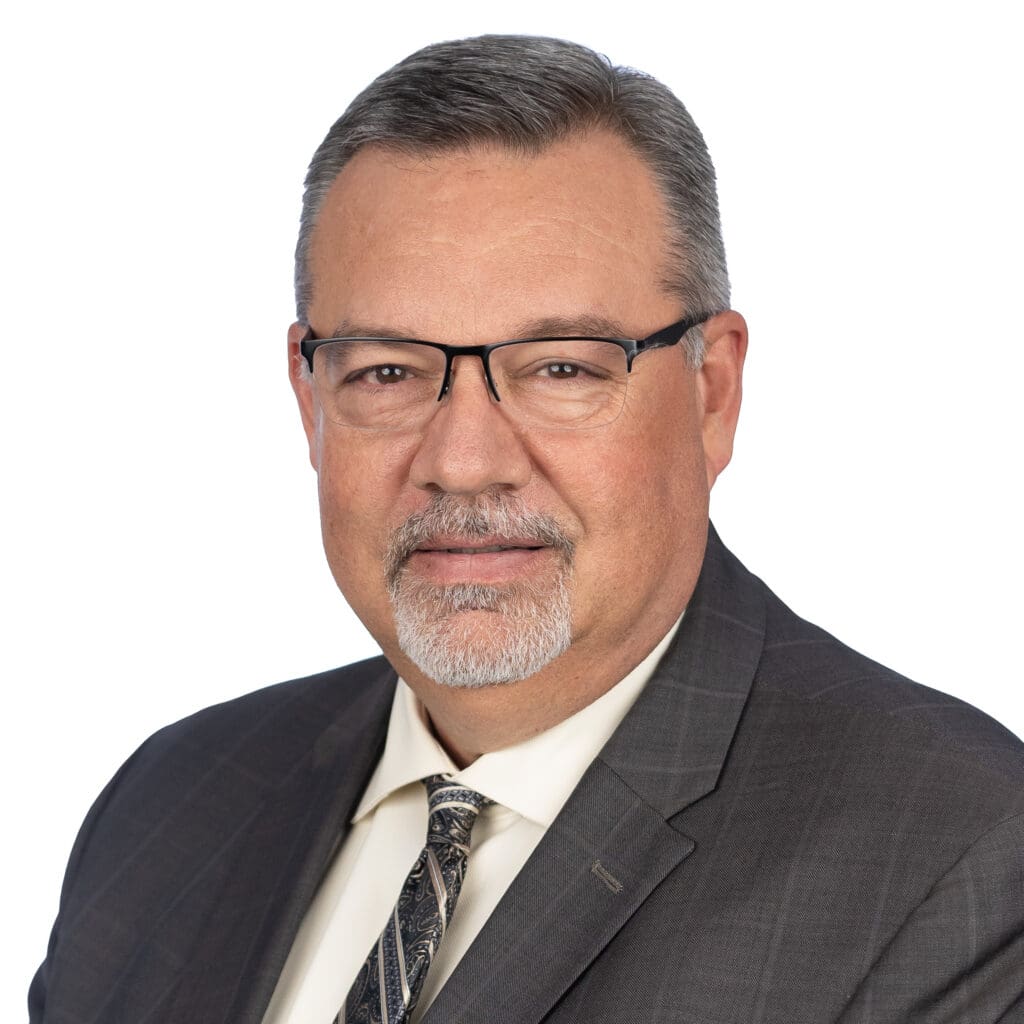
Jamey Pennington
VP | Chief Information and HIPAA Security Officer, Southwell